What Makes the 9mm Luger the Most Popular Handgun Round?
9mm Ammo Buyers’ Guide: The Best Rounds for Concealed Carry, Defense, and Range Performance
Jamming or struggling with recoil can ruin a range day, but 9mm ammo solves both with its reliable feeding and manageable push. Its rimless, tapered case ensures smooth cycling in most semi-automatic pistols, while the 9x19mm round delivers a solid balance of stopping power and cost-effective practice. For self-defense, quality 9mm hollow points expand reliably, giving you confidence without punishing your wrists.
What Makes the 9mm Luger the Most Popular Handgun Round?
The 9mm Luger’s popularity as a handgun round stems from its unmatched balance of magazine capacity, recoil control, and terminal effectiveness. Unlike larger calibers, 9mm ammo allows shooters to fire rapid, accurate follow-up shots because muzzle rise is manageable, even in compact carry pistols. This controllability translates directly into higher hit probability under stress, which is why it dominates .35 Remington Ammo for Sale defensive use. Furthermore, the round’s mild recoil reduces shooter fatigue during training, enabling more practice for the same dollar. The 9mm’s bullet diameter and pressure curve also deliver reliable penetration through clothing and barriers without excessive over-penetration, making it a practical choice for civilians and professionals alike. Ultimately, no other cartridge offers this same combination of shootability, capacity, and proven stopping power, cementing the 9mm ammo as the default standard for handguns.
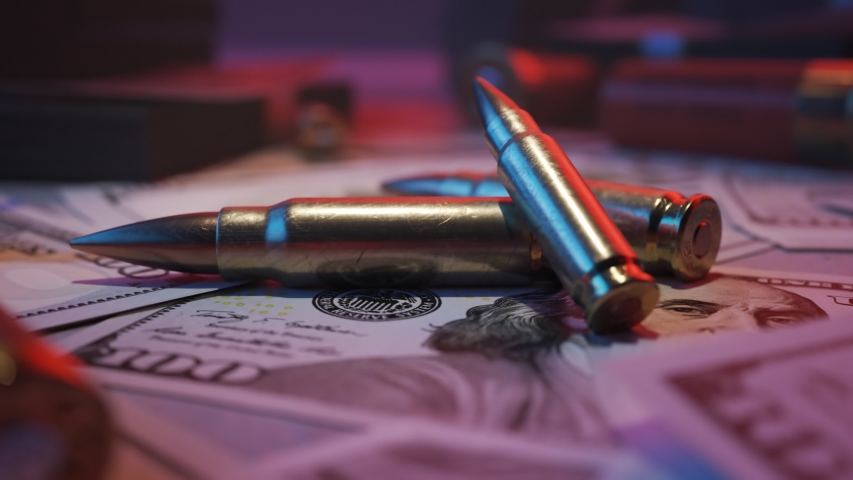
Understanding the 9x19mm Cartridge Dimensions and Pressure Levels
The 9x19mm cartridge’s dominance hinges on its precise 6.8 SPC Ammo for Sale dimensions and pressure curve. The case length is exactly 19.15mm, with a rim diameter of 9.96mm and a bullet diameter of 9.01mm, ensuring reliable feeding across countless firearm platforms. Crucially, the SAAMI maximum average pressure is set at 35,000 psi (with a 38,500 psi absolute limit), while the C.I.P. standard aligns at approximately 34,084 psi. Understanding the 9x19mm cartridge dimensions and pressure levels is essential because it dictates safe reloading practices and firearm headspace compatibility. *Even a small variance in case wall thickness or bullet seating depth can spike pressures beyond the safe envelope, which is why adhering to published load data is non-negotiable.* This balance of compact geometry and moderate pressure yields optimal ballistic efficiency without excessive recoil or barrel wear.
Q: Why do pressure levels vary between SAAMI and C.I.P. data for 9x19mm?
A: The difference stems from measurement methodologies—SAAMI uses a piezoelectric transducer at the case mouth, while C.I.P. uses a drilled-hole method at the case wall. Both produce safe, compatible ammunition, but reloaders must follow the standard their components are designed for.
How Recoil, Muzzle Velocity, and Stopping Power Compare to Other Calibers
The 9mm’s sweet spot becomes obvious when you compare it to bigger and smaller rounds. Against a .40 S&W, the 9mm offers noticeably softer recoil, letting you get back on target faster for accurate follow-up shots, while delivering only a slight drop in muzzle velocity—often 1,150 fps versus the .40’s 1,000–1,200 fps. Stopping power is where the debate heats up: modern 9mm hollow points achieve penetration depths comparable to .45 ACP, but with less muzzle flip and higher magazine capacity. Compared to .380 ACP, the 9mm hits significantly harder with roughly 300 ft-lbs more energy, yet recoil stays manageable for most shooters. This balance makes it the practical choice over both extremes. The 9mm’s recoil-to-stopping-power ratio is simply more efficient than its rivals.
Q: How does 9mm stopping power compare to .45 ACP?
A: With quality defensive ammo, the 9mm penetrates 12–18 inches in gel—matching .45 ACP—but with less recoil and faster follow-up shots, making it a smarter trade-off for most shooters.
Full Metal Jacket vs. Hollow Point: Which Bullet Type Is Right for Your Needs?
Choosing between Full Metal Jacket vs. Hollow Point in 9mm ammo comes down to your intended use. For range practice and competition, Full Metal Jacket vs. Hollow Point favors FMJ due to its lower cost, reliable feeding, and deep penetration through paper targets. However, for personal defense, hollow points are the clear winner. Their expanded mushrooming maximizes energy transfer, creating a larger wound channel while drastically reducing the risk of over-penetration through walls. FMJ’s hard lead core can pass through a threat and hit bystanders, making it a poor defensive choice. Ultimately, your 9mm ammo selection should mirror your environment: FMJ for economical training, hollow points for every load you carry. Do not compromise 6.5x57mm Mauser Ammo for Sale on self-defense rounds—your safety demands hollow point performance.
When to Use FMJ for Range Practice and Cost Savings
For pure range practice and cost savings, full metal jacket (FMJ) 9mm rounds are your go-to choice. Because FMJ bullets have a copper coating over a lead core, they feed reliably in almost any semi-auto pistol, which means fewer malfunctions during high-volume drills. Their simpler construction makes them noticeably cheaper than hollow points, letting you shoot twice as much for the same budget—critical when building muscle memory and trigger control. FMJ is ideal for paper targets, steel plates, and basic training, where penetration isn’t a concern. Save your expensive defensive ammo for occasional function checks; let FMJ handle the daily grind.
FMJ is your affordable, reliable workhorse for range practice—use it to build skills .32 ACP Ammo for Sale and save money, while reserving hollow points for carry.
How Hollow Points Expand on Impact for Self-Defense Scenarios
When a 9mm hollow point strikes soft tissue, its open cavity initiates hydraulic pressure, forcing the bullet’s jacket to peel back and the lead core to mushroom outward. This expansion increases the projectile’s frontal diameter—often from 9mm to over 15mm—within the first few inches of penetration, which is critical for self-defense bullet expansion reliability. The enlarged surface area decelerates the round rapidly, transferring maximum energy to the target while reducing the risk of over-penetration beyond the threat. For defensive shooters, this predictable expansion ensures the temporary cavity disrupts vital structures without exiting the body. Expansion threshold—the minimum velocity needed—typically requires a barrel length of 3–4 inches to achieve consistent performance.
- Impact triggers hydraulic pressure inside the hollow cavity.
- Jacket petals fold outward, increasing diameter.
- Expanded bullet stops deeper, creating a wider wound channel.
This mechanism prioritizes stopping power over penetration depth, making it the preferred choice for civilian self-defense against human threats.
How to Choose the Right Grain Weight for Your Shooting Goals
For 9mm ammo, your grain choice boils down to what you’re actually trying to do at the range. If you’re punching paper or running drills, a lighter 115-grain load is snappy but flat-shooting, which makes it a solid, cheap training staple. For concealed carry or self-defense, step up to 124-grain or 147-grain rounds because heavier bullets tend to penetrate deeper and cycle more reliably in compact pistols. The kicker is that your gun’s recoil spring Ammunition for Sale matters—some firearms prefer a specific weight to lock back consistently, so test a few boxes before bulk-buying. *While 147-grain subsonic ammo feels softer and quieter with a suppressor, it may drop noticeably at longer distances, so don’t assume heavier is always better for your shooting style.* Match the grain to the job, and you’ll get tighter groups and fewer malfunctions.
Light 115-Grain Loads for Quick Follow-Up Shots
For shooters prioritizing fast target reacquisition in defensive or competitive scenarios, light 115-grain loads are the optimal choice. Their lower recoil impulse and reduced muzzle rise let you keep the front sight on target, enabling rapid, controlled second and third shots. While they sacrifice some penetration depth compared to heavier bullets, the gain in split-second accuracy often outweighs that trade-off for close-range engagements. You’ll also feel less flinch and fatigue during extended drills, which builds consistent trigger control. This grain weight cycles reliably in most modern 9mm pistols, making it a dependable training and competition staple.
- Produce roughly 15–20% less felt recoil than 124-grain loads.
- Deliver flatter trajectories for fast-paced shooting at 10–25 yards.
- Allow smoother transitions between multiple targets due to quicker sight return.
Heavy 147-Grain Subsonic Rounds for Suppressor Use
Heavy 147-grain subsonic rounds for suppressor use are optimized to stay below the speed of sound (roughly 1,125 fps at sea level), eliminating the supersonic crack. This grain weight delivers the highest ballistic coefficient in standard 9mm, ensuring better retained energy and wind resistance at typical suppressed engagement distances. Because they produce less muzzle blast and lower gas pressure, they cycle more smoothly in piston-driven and recoil-operated suppressors, reducing port pop and carbon fouling. For locked-breech pistols and PCCs, the added mass increases slide velocity consistency, but be aware that direct-blowback firearms may require a stiffer recoil spring to avoid premature unlocking. For maximum suppression efficiency, pair 147-grain loads with a high-volume suppressor and check your barrel twist (1:10 or faster) for reliable stabilization.
- Subsonic velocity ensures no supersonic crack, only mechanical action noise.
- Heavier bullet weight reduces muzzle rise, aiding rapid follow-up shots.
- Typical powder charge is compact, minimizing unburned residue and gas blowback.
- Best performance requires a suppressor rated for 9mm and a securely tightened mount.
Understanding Brass, Steel, and Aluminum Casings: What’s the Real Difference?
For 9mm ammo, the casing material directly affects reloadability, cost, and firearm wear. Brass cases are the most ductile, expanding to seal the chamber and springing back for reliable extraction, making them ideal for multiple reloads. Steel cases, often lacquered or polymer-coated, are cheaper but less malleable, causing more friction and accelerated wear on extractors and chambers, and they cannot be reloaded practically. Aluminum cases sit between the two: lightweight and corrosion-resistant, they are less expensive than brass but prone to work-hardening, so they are strictly one-use and can stick in tight chambers if pressure is excessive. A quick Q&A: “Which 9mm casing is best for a beginner?” — Brass, because its consistent feeding and extraction minimize malfunctions while you learn. Ultimately, your choice hinges on trade-offs: brass for performance and reloading, steel for budget plinking, and aluminum for light, disposable range sessions. Always verify your firearm’s manufacturer recommendations, as some pistols tolerate steel poorly.
Why Brass Casings Offer Reliable Feeding and Reloadability
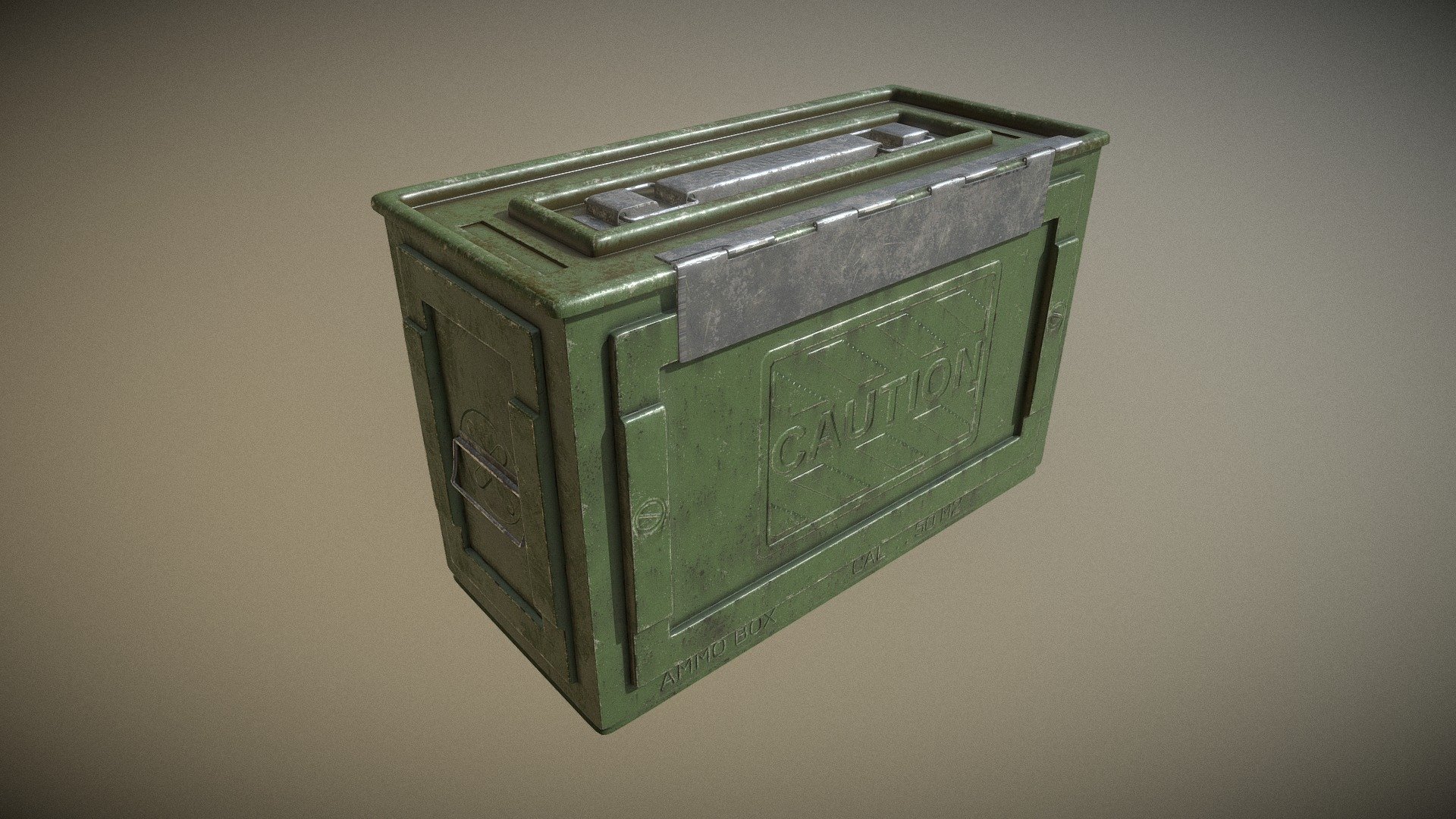
Brass casings excel in feeding and reloadability due to their inherent ductility and spring-back memory. Unlike stiffer steel or weaker aluminum, brass flexes under chamber pressure and returns near its original dimensions, ensuring consistent extraction and reducing 6.5×55 Swedish Ammo for Sale friction-related feed stoppages in 9mm pistols. For reloaders, brass’s malleability allows repeated resizing without cracking, and its corrosion resistance preserves case integrity through multiple firing cycles. Reloadable brass casings offer the highest cost-per-round savings for high-volume 9mm shooters. However, annealing after several firings becomes necessary to prevent work-hardening at the case mouth. Q: Why do brass casings feed more reliably than steel? A: Brass’s slightly tacky surface grips the chamber wall during ignition, while its resilient rim resists deformation during the feed ramp cycle—two traits steel lacks.
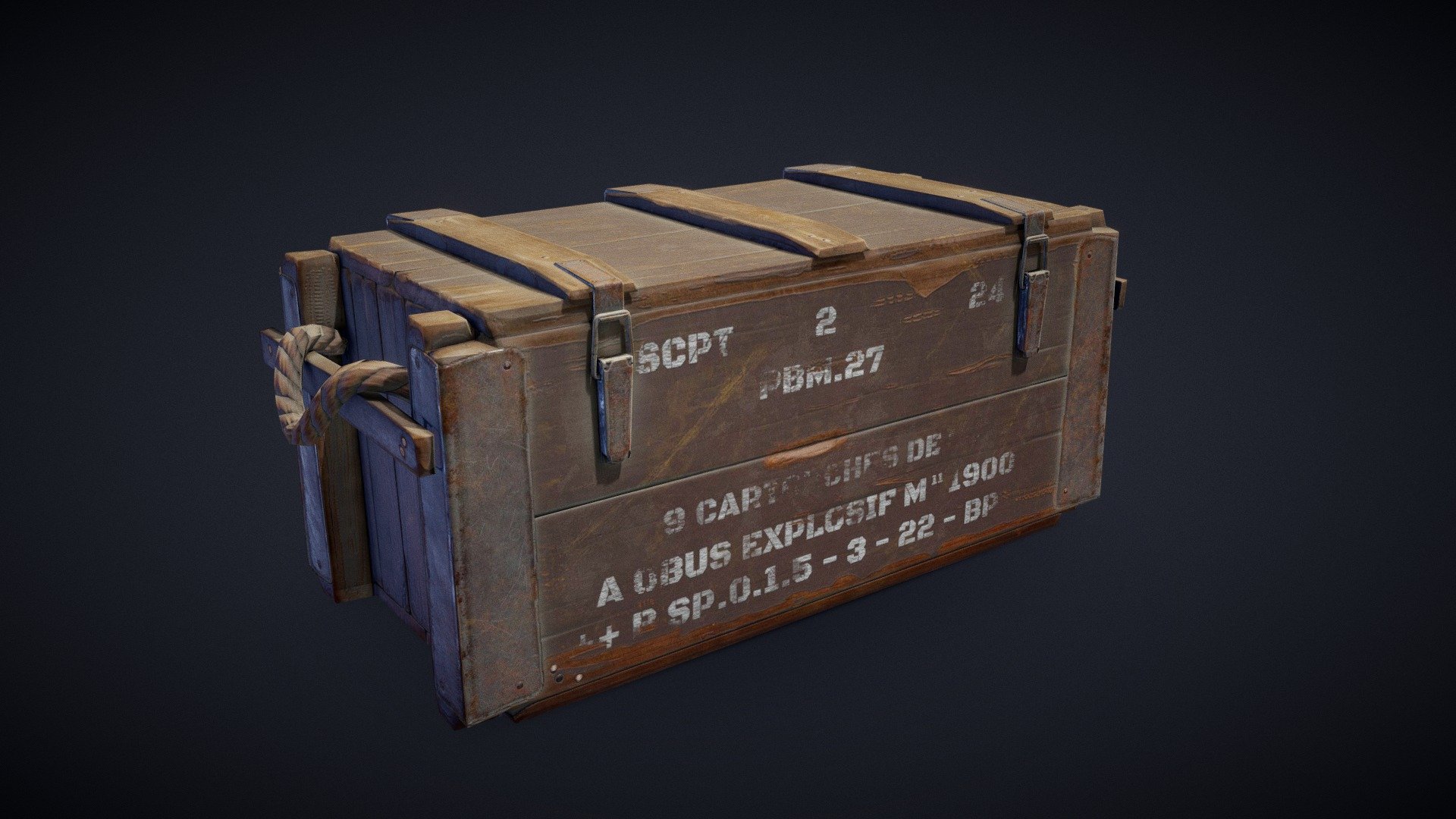
Steel and Aluminum Options for Budget-Friendly Practice Sessions
For budget-friendly practice, steel and aluminum casings offer distinct trade-offs. Steel cases, often polymer-coated, are typically the cheapest option and remain reloadable only if berdan-primed, which most shooters avoid. Aluminum cases are lighter and slightly pricier than steel, https://specialtysportsandsupplyltd.com/ but they are strictly single-use and cannot be reloaded. Steel and aluminum options for budget-friendly practice sessions require matching your shooting goals to the casing’s limitations. To maximize value:
- Choose steel if you prioritize lowest cost and don’t mind potential extraction issues in tighter chambers.
- Select aluminum when you want lighter recoil impulse and cleaner feeding, with no intention of saving brass.
- Inspect your firearm’s extractor—harder steel cases can wear it faster over prolonged sessions.
Both reduce training costs dramatically, but anticipate slightly more carbon fouling and .338 Lapua Ammo for Sale reduced accuracy consistency compared to brass.
What to Look for in Bulk 9mm Purchases: Box Count, Packaging, and Storage Tips
When buying bulk 9mm ammo, always verify the box count per case—standard cases hold 500 or 1,000 rounds, but some value packs shortchange you with 250-round boxes at higher per-round costs. Inspect packaging integrity before purchase: factory-sealed cardboard or polymer trays protect primers and bullet seating, while loose or repackaged ammo risks setback and misfeeds. Opt for resealable, moisture-resistant ammo cans over flimsy cardboard—humidity is the primary enemy of 9mm primers and powder. Store your bulk 9mm in a cool, dry place below 70°F, off concrete floors, and rotate stock by date, shooting older lots first to avoid degradation. Even pristine factory packaging won’t save your 9mm if you let it bake in a hot car or garage attic for months. For long-term bulk storage, add desiccant packs inside the can and label each box with purchase date—this ensures every round you fire behaves predictably at the range.
How to Read Ammo Box Labels for Velocity and Primer Type
When evaluating bulk 9mm, the box label is your primary source for ballistic identity. Look for the 6.5x57R Ammo for Sale velocity rating, typically printed in feet per second (fps), which tells you how hot the load runs—standard pressure often sits around 1,150 fps, while +P loads exceed 1,200 fps. Also, check the primer type: most factory loads use boxer-primed, non-corrosive primers; this is usually indicated by a small “B” or “NC” mark near the caliber designation. Avoid anything labeled “berdan” unless you reload, as it complicates extraction. A quick scan of the side panel also reveals whether the brass is new or remanufactured, which affects consistency. Master these two label elements, and you’ll confidently select ammunition that matches your firearm’s recoil spring and your accuracy needs.
Reading the velocity (fps) and primer type (boxer vs. berdan, corrosive vs. non) on a 9mm box label ensures you buy ammo that performs predictably and safely.
Proper Storage Conditions to Prevent Corrosion and Moisture Damage
To prevent corrosion and moisture damage, store your 9mm ammunition in a climate-controlled environment with a consistent temperature between 60–70°F and humidity below 50%. Air-tight, military-grade ammo cans with rubber gaskets are your first line of defense, as they block humid air from reaching primers and cases. Place a desiccant pack inside each can, and check it monthly—if the silica gel changes color, recharge or replace it immediately. Elevate cans off concrete floors, since cold slabs draw condensation, and avoid attics or garages where seasonal swings cause sweating inside the container. Rotate your stock annually, using older cartridges first, so no round sits long enough to degrade.
- Use o-ring sealed cans with a fresh silica gel pack for every 100–200 rounds.
- Keep ammo away from direct sunlight and extreme temperature shifts.
- Inspect brass for green spots or dark tarnish every 3 months; discard corroded rounds.
- Never store loose rounds in cloth bags or cardboard—porous materials trap moisture.
Common Malfunctions With 9mm Ammo and How to Avoid Them
Common 9mm malfunctions stem from ammo-specific issues, not the gun. **Failure to feed** often occurs with flat-nosed or poorly crimped rounds catching on the .32 Win Special Ammo for Sale feed ramp; avoid this by using round-nose full metal jacket loads with a solid taper crimp. **Light primer strikes** frequently result from hard military-grade primers in surplus ammunition—stick to name-brand civilian primers for reliable ignition. **Failure to extract** can happen when weak 9mm loads (under 115-grain or low-pressure rounds) don’t generate enough recoil to cycle the slide; test a box of standard-pressure NATO spec ammo to confirm your gun’s spring tension. **Squib loads**, where powder is missing, are the most dangerous; always inspect every casing for an odd report or weak recoil, and stop immediately if a bullet lodges in the barrel. *Even premium 9mm ammo can suffer from bullet setback if repeatedly chambered, so rotate your carry rounds monthly to maintain seating depth.* Finally, avoid mixed headstamp range brass for reloads, as inconsistent case lengths cause chambering and extraction issues—stick to uniform, once-fired cases.
Dealing With Light Primer Strikes and Hard Primers
Light primer strikes in 9mm ammo often stem from hard primers, military-spec cases, or a weak striker spring. When your round fails to ignite, first inspect the primer indentation—a shallow dimple suggests insufficient force, while a deep strike points to a bad primer. Swap to ammunition with **sensitized primers designed for reliable ignition**, like many modern defensive loads. For hard primers, try a heavier striker spring or a lighter firing pin, but verify reliability with 200 test rounds. Also, clean the firing pin channel—carbon buildup slows striker travel. Dry-fire snap caps won’t fix this; only live-fire diagnostics reveal the true fix.
Q: Can I fix hard primers by simply striking the primer twice?
A: No. A second strike rarely ignites a hard primer because the dent compresses the compound too much. Instead, replace your 9mm ammo brand or adjust your firearm’s striker assembly for consistent, single-strike ignition.
Preventing Failures to Feed Through Consistent Ammo Quality Checks
To prevent feed failures with 9mm ammunition, make consistent ammo quality checks a non-negotiable pre-range ritual. Inspect every round’s case mouth for crimp irregularities—a rolled or uneven lip catches on the feed ramp, stalling the slide. Measure cartridge overall length (COL) with a caliper; rounds exceeding 1.169 inches bind in the magazine, while short ones tilt and jam. Feel for a snug bullet seating by pressing each round’s tip; loose projectiles set back under recoil, spiking pressure and causing misfeeds. Finally, discard any case with a deformed rim, as extractor slip prevents chambering. These checks take seconds but eliminate the majority of 9mm stoppages before they interrupt your session.
- Rebuild 10 loaded rounds from each box to verify consistent COL and bullet tension.
- Run a thumbnail along every case mouth to detect burrs or dents.
- Drop-test each round into your barrel’s chamber—it should seat fully with a positive thunk.
- Mark suspect batches with a permanent marker and set them aside for inspection, never for carry.